








If you have been looking into air conditioning Bristol or nearby areas, you have probably come across the term “indoor air conditioner” and wondered what that actually means. Is it a big commercial unit? A wall box? Something that sits on the floor and makes a racket?
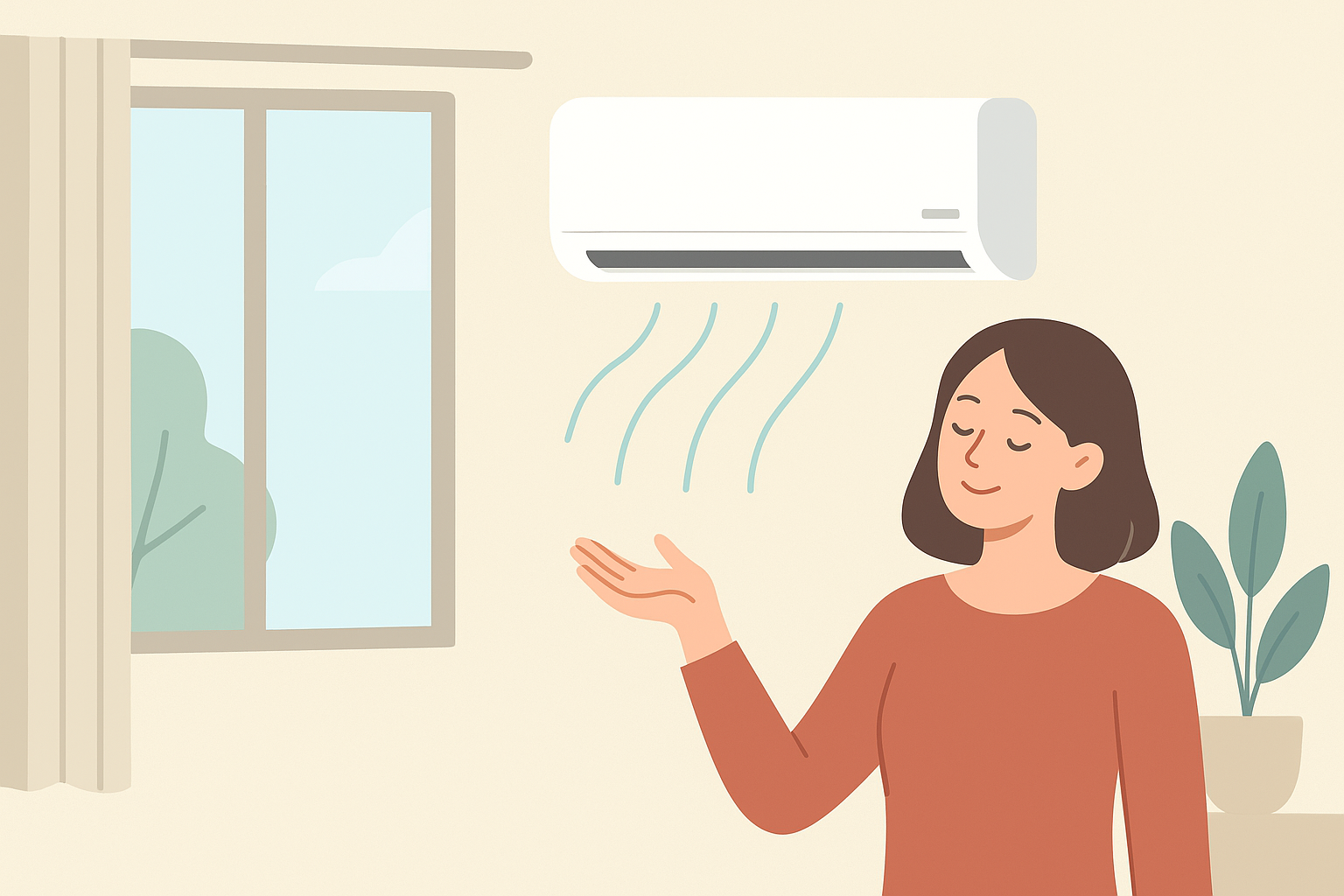
In simple terms, an indoor air conditioner is the part of an air conditioning system that sits inside your home and delivers cool air into the room. It is what you see and interact with day to day. For many UK homeowners, especially in places like Bristol where summers are getting warmer and loft conversions are common, understanding how these systems work is the first step to choosing the right one.
How indoor air conditioners work: Key components explained
An indoor air conditioner does not work on its own. It is usually connected to an outdoor unit, and together they form a split system. We get asked this all the time when visiting properties around Bristol and Bath.
Here are the main parts in plain English:
- Indoor unit: This is mounted on a wall, ceiling or sometimes sits low like a radiator. It draws warm air from the room, cools it and blows it back out.
- Outdoor unit: This sits outside, often on a wall bracket or concrete base. It releases the heat that has been taken from inside your home.
- Refrigerant pipes: These connect the indoor and outdoor units and carry the cooling fluid between them.
- Controller or thermostat: This lets you set the temperature and often comes as a remote or wall controller.
The basic idea is simple. Warm air is pulled in, passes over a cold coil inside the indoor unit and then is blown back into the room at the temperature you have chosen. At the same time, heat is transferred outside.
Most modern systems are actually heat pumps, which means they can also provide heating in winter. In a typical semi-detached home in Bristol, that can make a real difference in a loft bedroom that is freezing in January and boiling in July.
Types of indoor air conditioners: Wall mounted, portable and more
There is no single “standard” indoor air conditioner. The right type depends on your space, how often you will use it and whether you want cooling only or heating as well.
Wall mounted split units
These are the most common systems we install in homes around Bath and Bristol. The indoor unit is fixed high on a wall and connected to an outdoor unit.
They are quiet, efficient and ideal for bedrooms, living rooms and home offices. If you have seen a slim white unit near the ceiling in a modern extension, that is likely a wall mounted split system.
Multi split systems
This is similar to a standard split system but connects several indoor units to one outdoor unit. It is a good option for larger homes or rental properties where you want to control different rooms separately.
Portable air conditioners
Portable units are freestanding and usually vent through a window. They can be useful for short term use but they are often noisier and less efficient. We regularly get calls from customers who have tried one and found it does not quite cope during a proper heatwave.
If you are unsure which type suits your property, it helps to look at examples of air conditioning installation Bristol projects to see what works in similar homes.
Benefits of installing an indoor air conditioner in UK homes
A few years ago, most people in the UK saw air conditioning as a luxury. Now it is becoming far more common, especially with hotter summers and better-insulated homes that trap heat.
Some of the main benefits include:
- Consistent comfort: No more sleepless nights during a heatwave or top-floor rooms that feel like greenhouses.
- Heating in winter: Many systems provide efficient heating, which can be useful in garden rooms and converted lofts.
- Improved air quality: Filters inside the unit help remove dust and some allergens.
- Lower humidity: Air conditioning reduces indoor moisture, which can help with stuffy rooms and even mild condensation issues.
Property managers also like the fact that modern systems are easy to control and energy efficient. In serviced apartments around Bath, we often see them used as a reliable all year round solution.
Things to consider before choosing a system
Before you commit to an indoor air conditioner, there are a few practical things to think about.
- Room size: An undersized unit will struggle, and an oversized one can cycle on and off too quickly. A proper heat load calculation matters.
- Positioning: The indoor unit needs the right wall space and airflow. We often have to work around chimney breasts or restricted loft ceilings in older Bath properties.
- Noise levels: Most modern units are very quiet, but placement still makes a difference in bedrooms.
- Aesthetics: Some customers want the unit as discreet as possible. Others are happy with a visible wall unit if it performs well.
- Electrical supply: In some older homes the consumer unit may need checking before installation.
A site survey is always the best way to get clear answers. It avoids guesswork and ensures you end up with a system that actually suits your home.
Installation and maintenance tips for long term efficiency
Good installation makes a huge difference. Even the best indoor air conditioner will not perform properly if the pipework is poorly routed or the unit is not correctly sized.
Professional installation means:
- Correct pipe sizing and insulation
- Secure mounting with minimal vibration
- Proper drainage for condensate
- Safe electrical connections
Once installed, maintenance is fairly straightforward. Filters should be cleaned regularly, especially if you have pets or live near a busy road. An annual service helps keep the system efficient and can extend its lifespan.
In our experience, a well looked after system can run quietly and efficiently for many years, even with regular use during Bristol’s hotter spells.
Is an indoor air conditioner right for you?
An indoor air conditioner is simply the part of your cooling system that delivers comfort directly into your living space. Whether wall mounted, part of a multi room setup or used to heat and cool all year round, it can be a practical solution for modern UK homes.
If you are weighing up your options in Bristol or Bath, it helps to speak to experienced local engineers who understand the quirks of Victorian terraces, new builds and everything in between. At L&P Heating Services, we regularly work with homeowners and property managers to design systems that fit the space and the budget.
Contact us today to arrange your air conditioning installation or get in touch for a free, no-obligation quote.