








If you rely on your air con to keep things comfortable through warmer months, you’ll know how quickly a small issue can turn into a big headache. As an experienced air conditioning engineers in Bristol, we’re often called out to systems that have been struggling for weeks before someone finally picks up the phone.
Spotting the early warning signs can save you money, prevent bigger damage, and keep your home or rental property comfortable. Below are six common signs your air conditioning may need repair or, in some cases, replacing altogether.
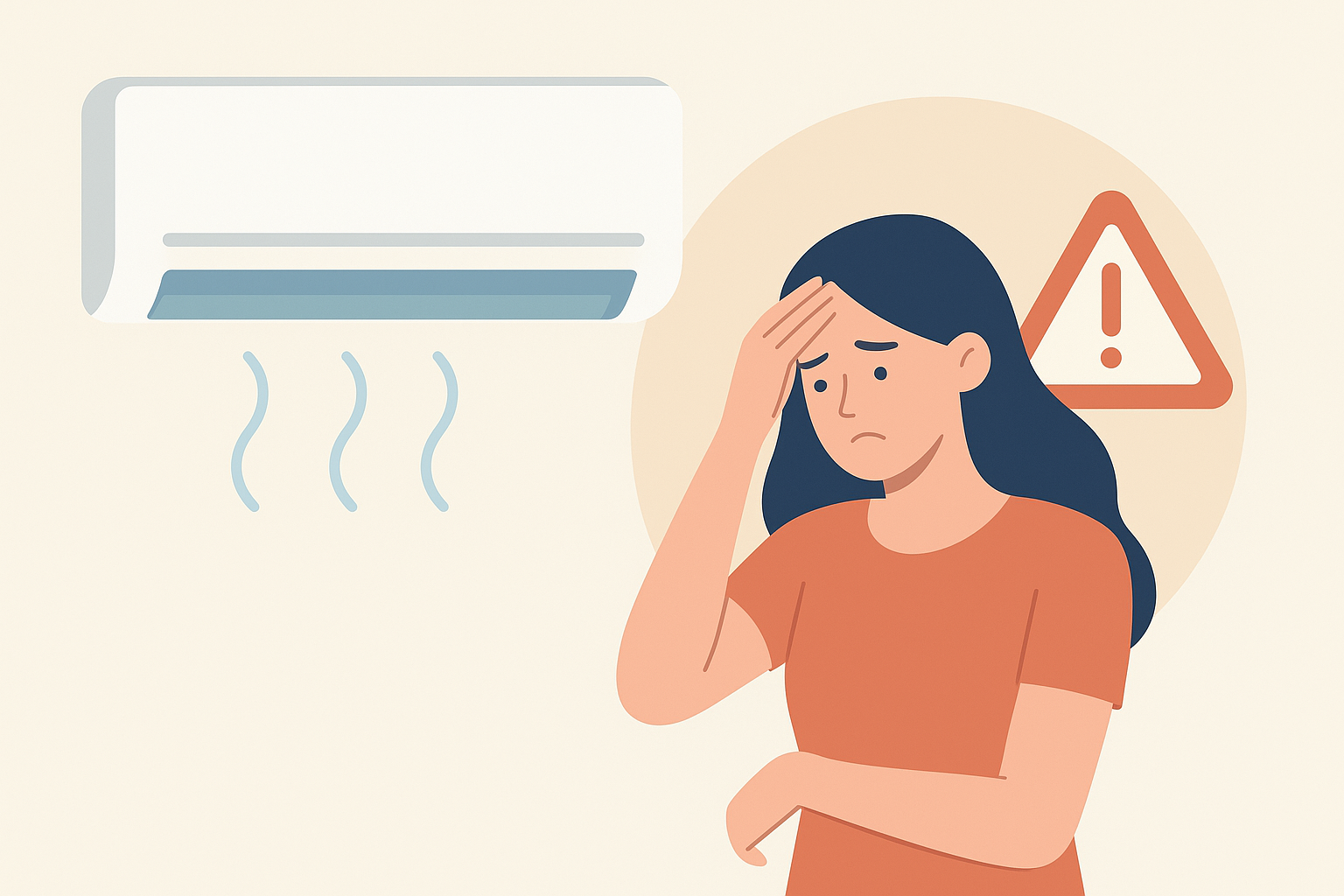
1. Weak or Inconsistent Airflow and What It Indicates
If the airflow coming from your vents feels weaker than usual, or some rooms are cooler than others, something isn’t right.
In many Bristol and Bath homes we visit, weak airflow is often caused by:
- Clogged filters that have not been changed for a while
- Blocked or leaking ductwork
- A failing fan motor
- Issues with the compressor
Sometimes it is a simple fix like replacing a filter. Other times it points to internal wear that needs professional attention. If you are constantly adjusting the thermostat but not feeling the benefit, it is worth getting it checked before it worsens.
2. Strange Noises or Unpleasant Odours Coming From the Unit
Air con systems are not silent, but you get used to their usual background hum. If you suddenly hear banging, rattling, buzzing or screeching, that is your cue to act.
For example, a rattling noise can mean a loose internal component. A buzzing sound may point to an electrical issue. We have even found outdoor units in Bath with debris caught inside after windy weather.
Unpleasant smells are another red flag. A musty odour often suggests mould inside the unit or ductwork. A burning smell could indicate overheating wiring. Neither is something to ignore, particularly in rental properties where tenant health is a concern.
3. Rising Energy Bills Without Increased Usage
If your electricity bill has crept up but your usage habits have not changed, your air conditioning system could be losing efficiency.
As systems age or parts wear down, they have to work harder to achieve the same level of cooling. That extra effort shows up in your bills. Property managers often tell us, “We have not changed the settings, so why are costs climbing?” More often than not, the system is running longer cycles to compensate for a hidden issue.
A quick inspection can reveal whether a repair will restore efficiency or whether the system is past its best.
4. Frequent Breakdowns and Ongoing Repair Costs
An occasional repair is normal over the lifespan of any system. But if you are calling an engineer out every few months, it may be time to pause and reassess.
We sometimes meet homeowners who have paid for multiple small fixes in a year. When you add up those invoices, it can approach a significant portion of the cost of a new system.
Regular breakdowns cause disruption too. For businesses, that can mean uncomfortable staff and customers. For landlords, it can mean unhappy tenants and urgent callouts during peak summer periods when engineers are busiest.
5. Poor Cooling Performance or Uneven Temperatures
If your air con is running but the property still feels warm and stuffy, something is not functioning as it should.
Common causes include:
- Low refrigerant levels due to a leak
- An undersized system for the space
- Thermostat faults
- Internal component failure
We often see this in extended homes where an extra room has been added but the original system was never upgraded. The unit might cope on mild days but struggle during a proper heatwave.
6. Age of the System and When Replacement Makes More Sense
Most air conditioning systems have a lifespan of around 10 to 15 years, depending on usage and maintenance.
If your unit is over a decade old and starting to show some of the signs above, replacement can often be the more sensible long-term option. Newer systems are far more energy efficient and generally quieter. They also use updated refrigerants that are better for the environment.
We sometimes have honest conversations with customers where a repair is possible but not cost-effective. It is about looking at the bigger picture rather than just fixing the immediate problem.
When to Repair vs Replace Your Air Conditioning System
So how do you decide?
Repair is usually the right choice if:
- The system is under 8 to 10 years old
- The issue is isolated and identifiable
- Energy bills have been stable until recently
Replacement often makes more sense if:
- The system is over 10 to 15 years old
- You are facing repeated repair costs
- Efficiency has noticeably dropped
- You want to improve comfort and reduce long term energy use
A professional inspection will give you a clear picture. We will always explain what we have found in plain English and outline your options so you can make an informed decision.
At L&P Heating Services, we regularly help homeowners and property managers across Bristol and Bath decide whether a straightforward repair will do the job or whether a new system would be a better investment for the future.
If you have noticed any of these warning signs, do not wait until the hottest week of the year when systems are under the most strain.
Contact us today to arrange your air conditioning inspection or get in touch for a free quote on a new system installation.
**meta title:** 6 Signs Your Air Conditioning Needs Repair or Replacement
**meta description:** Discover the key signs your air conditioning needs repair or replacement and learn when to act to avoid costly breakdowns.
**slug:** signs-air-conditioning-needs-repair-or-replacement
**img** signs-air-conditioning-needs-repair-or-replacement.jpg