








If you’ve recently looked into radiator installation or you’re thinking about upgrading your heating system, you’ve probably heard about thermostatic radiator valves. Most modern systems include them as standard, yet many homeowners aren’t completely sure what they actually do or why they matter.
In simple terms, thermostatic radiator valves, often called TRVs, give you control over how warm each room in your home gets. They’re a small addition to a radiator, but they can make a noticeable difference to heating efficiency, comfort and your monthly energy bills.
What Is a Thermostatic Radiator Valve?
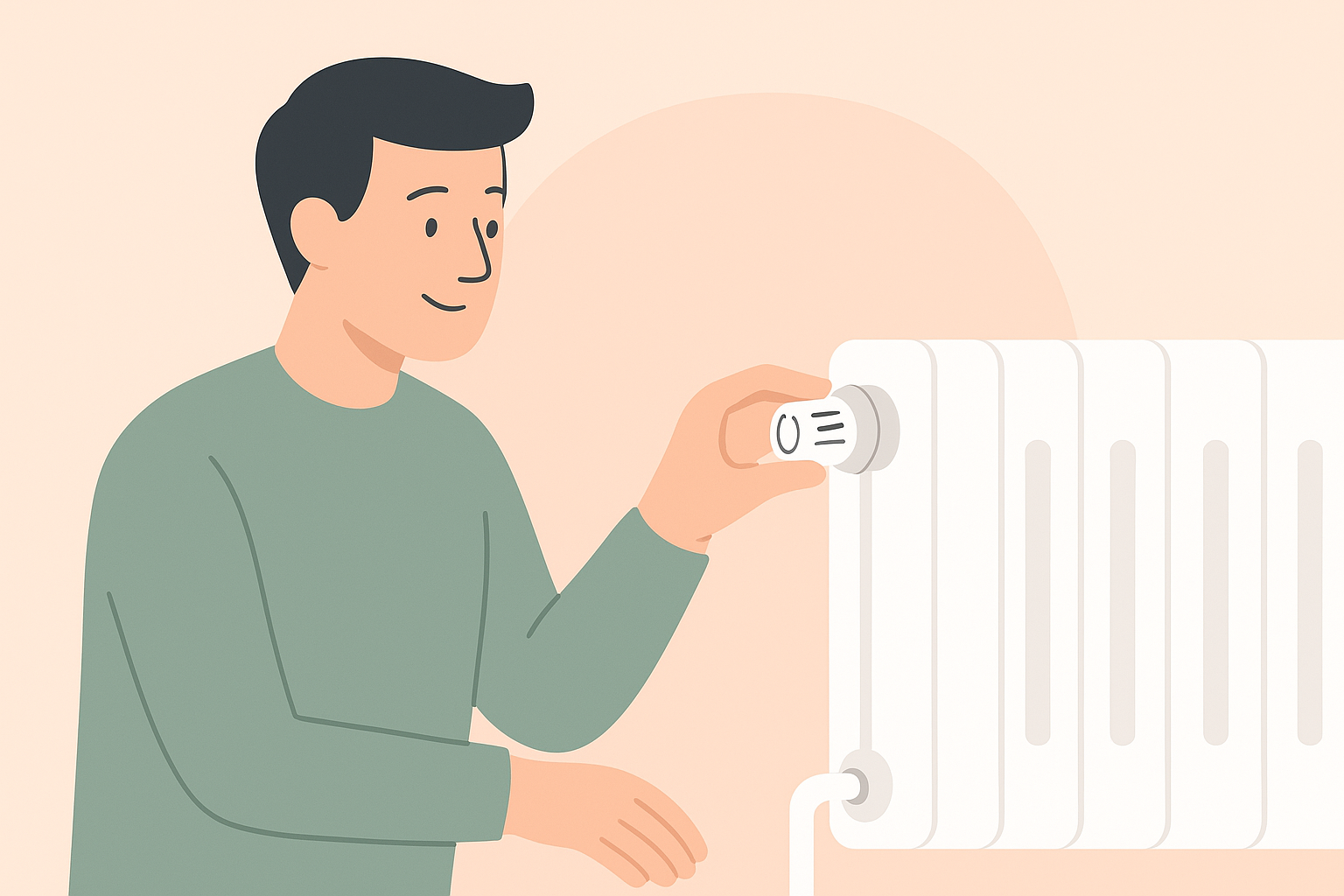
A thermostatic radiator valve is fitted to the side of your radiator and controls the flow of hot water from your central heating system into that radiator. Unlike older manual valves which are either fully open or fully shut, TRVs automatically regulate the amount of heat being released into the room.
Inside the valve is a small sensor filled with liquid or gas. As the room warms up, that sensor expands and gradually closes the valve to reduce the flow of hot water. If the room cools down, the sensor contracts and opens the valve again. It constantly adjusts to maintain the temperature you’ve set on the dial.
With a manual valve, once it’s on, the radiator keeps pumping out heat until you turn it down yourself. That often leads to rooms overheating, windows being opened in winter and energy being wasted without anyone realising.
How TRVs Improve Energy Efficiency
One of the biggest benefits of TRVs is improved heating efficiency. Rather than heating every room to the same temperature all day long, you can control each space individually.
Think about the rooms you barely use during the week. Spare bedrooms, utility rooms or loft conversions can sit empty for long periods. There’s little point in heating them to 21 degrees if no one’s in there. By turning the TRV down in those rooms, you instantly reduce wasted heat.
This room-by-room control helps to reduce heating bills in a very practical way. Your boiler won’t need to work as hard or as often because not every radiator is demanding maximum heat at the same time.
Some simple energy saving tips our engineers often discuss with homeowners include:
- Turning down TRVs in unused rooms
- Setting bedrooms slightly cooler for better sleep
- Keeping living areas comfortable but not overheated
- Making sure curtains are not covering radiators
Small changes like these add up across an entire heating season, especially with current energy prices in mind.
Better Comfort and Temperature Control
Beyond saving money, TRVs simply make your home more comfortable. Not every room needs to feel the same.
For example, many families in Bristol prefer cooler bedrooms, particularly in older Victorian terraces where heat naturally rises upstairs. Meanwhile, the main living room might need to feel warmer in the evening when everyone’s sitting down.
Thermostatic radiator valves give you proper radiator temperature control without having to constantly adjust the main thermostat. You set the dial to a number that corresponds to a temperature range and the valve does the rest.
Landlords also find TRVs useful in rental properties. Tenants often ask how to manage heating efficiently without driving bills through the roof. Being able to explain simple controls on each radiator makes things much clearer and helps avoid overheating and damp caused by inconsistent heating.
Supporting Your Boiler and Heating System
When every radiator runs flat out, your boiler has to keep firing to maintain temperature across the entire system. Over time that can put unnecessary strain on components.
By allowing certain radiators to turn down automatically once rooms are warm enough, TRVs reduce the overall demand on the system. That means fewer constant cycles and a steadier workload for the boiler.
In many homes we attend across the area, especially older properties with upgraded boilers, TRVs help balance the system. They prevent certain rooms from getting excessively hot while others struggle to warm up. When used properly and combined with correct balancing, they support smoother performance and improved overall heating efficiency.
When to Upgrade or Install TRVs
Not all thermostatic radiator valves last forever. If yours are stiff to turn, stuck in one position or the room temperature never seems to match the setting, it could be time for replacement.
Homes with very old manual valves are also good candidates for an upgrade. During radiator installation Bristol projects, we often replace outdated valves at the same time rather than reusing them. It’s a relatively small change that makes a big long-term difference.
You might also consider fitting TRVs if:
- You’re renovating or redecorating rooms
- Your heating feels uneven across the house
- You’re actively looking to reduce heating bills
- Your boiler has been upgraded but the controls haven’t
Any work involving the heating circuit should be carried out professionally to avoid leaks or system imbalance.
Professional Installation Matters
While fitting a TRV might look straightforward in theory, correct installation is essential for performance. The valve must be installed in the right orientation and the system properly drained and refilled. In some cases, the heating system also needs rebalancing afterwards.
We’ve seen situations where poorly fitted valves cause radiators to stay cold, leak around the spindle or create knocking sounds in pipework. A qualified heating engineer will ensure everything is sealed correctly, tested and working as it should.
If you’re already arranging plumbing services Bristol for other work, it’s often the ideal time to assess your existing radiator valves and make necessary improvements.
Conclusion
Thermostatic radiator valves may be small components, but they play a big role in how efficiently and comfortably your home is heated. From better radiator temperature control to helping reduce heating bills, TRVs provide practical benefits that most households notice straight away.
For homeowners and landlords across Bristol and Bath, upgrading or correctly installing TRVs is a sensible step towards improving heating efficiency without replacing the entire system. If you’d like straightforward advice or are planning improvements to your heating, the team at L & P Heating Services Ltd are here to help with practical solutions that suit your property. Contact L & P Heating Services Ltd today to arrange expert advice or book a professional installation.